
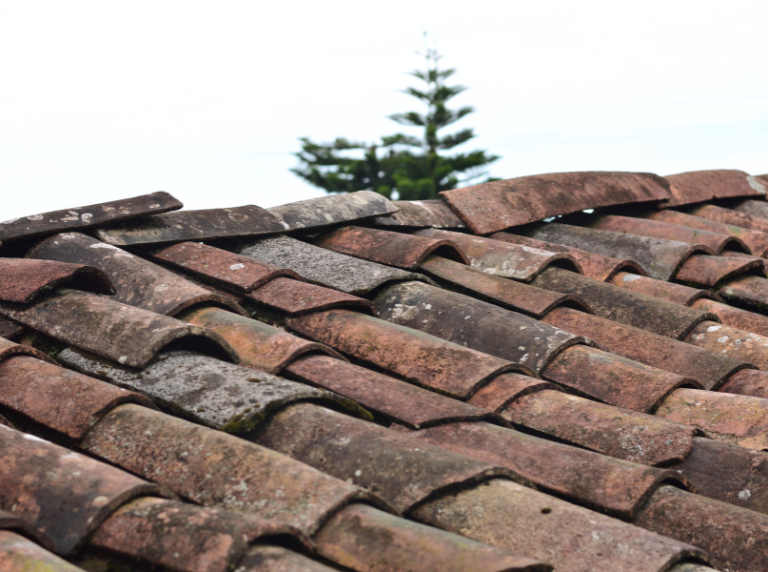
Wavy or bumpy shingles typically indicate problems with your roof decking, poor installation techniques, or moisture-related issues affecting the underlying structure. In Southwest Ohio homes, this waviness often results from inadequate attic ventilation causing the plywood decking to warp during our humid summers, multiple layers of old shingles creating an uneven surface, or deteriorated decking that’s been compromised by years of freeze-thaw cycles. While some minor waviness in new roofs may settle over time, pronounced bumps usually signal that your roof deck needs attention before any re-roofing project. Throughout the Dayton metro area—from Centerville to Springboro to Beavercreek—we regularly encounter homes where addressing the decking is just as important as replacing the shingles themselves.
Common Causes of Wavy Shingles
Deteriorated or Improperly Installed Roof Decking
The most serious cause of wavy shingles is compromised roof decking. In many older homes throughout Warren, Montgomery, and Butler Counties—particularly those built in the 1950s through 1970s—the original plywood or board decking may have deteriorated over decades of weather exposure. When decking warps, sags, or develops soft spots from moisture damage, the shingles installed over it will mirror those imperfections.
Additionally, if your decking wasn’t properly fastened during original construction or a previous roofing project, it can shift and create an uneven surface. This is especially problematic in areas that have experienced high winds from severe storms or tornadoes that occasionally affect Southwest Ohio.
Multiple Layers of Old Shingles
Building codes now prohibit it in most cases, but older homes in Kettering, Miamisburg, and surrounding communities often have two or even three layers of shingles. Each additional layer creates an increasingly uneven surface, and the weight can actually cause the decking beneath to sag between rafters. When new shingles are installed over these multiple layers, they conform to every bump and irregularity below, creating a wavy appearance that worsens over time.
If you’re considering a roof replacement and suspect multiple layers, a complete tear-off down to the decking is essential for a smooth, long-lasting result.
Inadequate Attic Ventilation
Southwest Ohio’s climate presents unique challenges with hot, humid summers and cold winters. Without proper attic ventilation, heat and moisture become trapped in your attic space, causing the roof decking to expand and contract repeatedly. Over time, this constant movement warps the plywood, creating waves and bumps that telegraph through to your shingles.
Homes in newer subdivisions in Mason, West Chester, and Lebanon are generally built with proper ventilation systems, but many older properties throughout the Dayton area lack adequate ridge vents, soffit vents, or attic fans to maintain proper airflow.
Improperly Stored or Installed Shingles
Shingles that weren’t stored flat before installation or were installed before they could properly acclimate can appear wavy. This is typically a temporary issue that resolves itself within a few weeks as the shingles settle and the adhesive strips fully activate. However, if shingles were installed during cold weather (below manufacturer recommendations), the adhesive may not bond properly, leading to persistent waviness and potential wind damage during storms.
Felt Paper or Underlayment Issues
Wrinkled, improperly installed, or moisture-damaged underlayment creates bumps that show through your shingles. Quality roofing contractors ensure that felt paper or synthetic underlayment is installed smoothly and securely, but rushed jobs or inexperienced installers may leave wrinkles that cause visible imperfections.
When to Worry About Wavy Shingles
New Roof Installations
If your roof was recently installed in Springboro, Centerville, or surrounding areas, some minor waviness is normal for the first few weeks. As temperatures rise and the sun warms your roof, the asphalt shingles’ adhesive strips activate and seal down, which typically smooths out minor imperfections. Give a new roof at least one warm season before becoming concerned.
Existing Roofs Developing Waviness
If your roof has looked fine for years but is now developing waves or bumps, this signals a developing problem—likely moisture damage to the decking or deterioration from age. This is particularly common in homes approaching or exceeding the 20-year mark, which is typical for many architectural shingles used throughout Southwest Ohio.
Pay special attention after severe weather events. Hail storms, which occur periodically throughout the Dayton metro area, can damage shingles and compromise your roof’s water barrier, allowing moisture to reach the decking.
What You Can Do
Professional Roof Inspection
Schedule a comprehensive roof inspection with a qualified local contractor who understands the specific challenges facing Southwest Ohio homes. A thorough inspection should include:
- Walking the roof surface to identify problem areas
- Examining attic spaces for ventilation issues and moisture damage
- Checking for multiple shingle layers
- Assessing decking condition from below
- Evaluating overall roof system health
Many insurance companies cover inspections and repairs related to storm damage, which is common throughout Warren, Montgomery, and Butler Counties.
Address Underlying Issues
Simply installing new shingles over wavy decking won’t solve the problem—it will only hide it temporarily. Proper repairs require:
Decking Replacement: Removing damaged sections of plywood and installing new, properly fastened decking creates a smooth, solid foundation.
Complete Tear-Off: Removing all old roofing materials down to the decking ensures you’re starting with a clean slate.
Ventilation Improvements: Adding or upgrading ridge vents, soffit vents, and attic fans prevents future moisture and heat damage.
Quality Materials: Using premium underlayment and properly storing shingles before installation ensures optimal results.
Document for Insurance Claims
If you suspect storm damage caused or worsened your roof issues, document everything with photographs. Southwest Ohio homeowners frequently file successful insurance claims for storm-related roof damage, especially after hail events or high winds. Having professional documentation from a reputable roofing contractor strengthens your claim when working with adjusters.
Why Choose Professional Help
Diagnosing the root cause of wavy shingles requires experience with local housing stock and regional weather patterns. A contractor familiar with homes throughout Springboro, Centerville, Miamisburg, Kettering, and surrounding communities will recognize common issues specific to our area—whether it’s inadequate ventilation in 1960s ranch homes or decking problems in newer subdivisions built during the 1990s construction boom.
Professional roofers also understand local building codes, proper installation techniques for our climate, and how to work effectively with insurance companies on storm damage claims.
Get Your Roof Inspected Today
If your shingles look wavy or bumpy, don’t wait for the problem to worsen. Water infiltration from compromised decking can lead to expensive interior damage, mold growth, and structural issues that far exceed the cost of timely roof repairs.
Rembrandt Roofing serves homeowners throughout Southwest Ohio, including Springboro, Centerville, Dayton, Oakwood, Beavercreek, Mason, West Chester, Lebanon, Bellbrook, and all surrounding Warren, Montgomery, and Butler County communities. Our experienced team provides honest assessments, quality workmanship, and solutions tailored to your home’s specific needs.
Contact Rembrandt Roofing at https://rembrandtroofing.com today to schedule your comprehensive roof inspection. We’ll identify the source of your wavy shingles and provide clear recommendations to restore your roof’s appearance, performance, and protection for your home.