
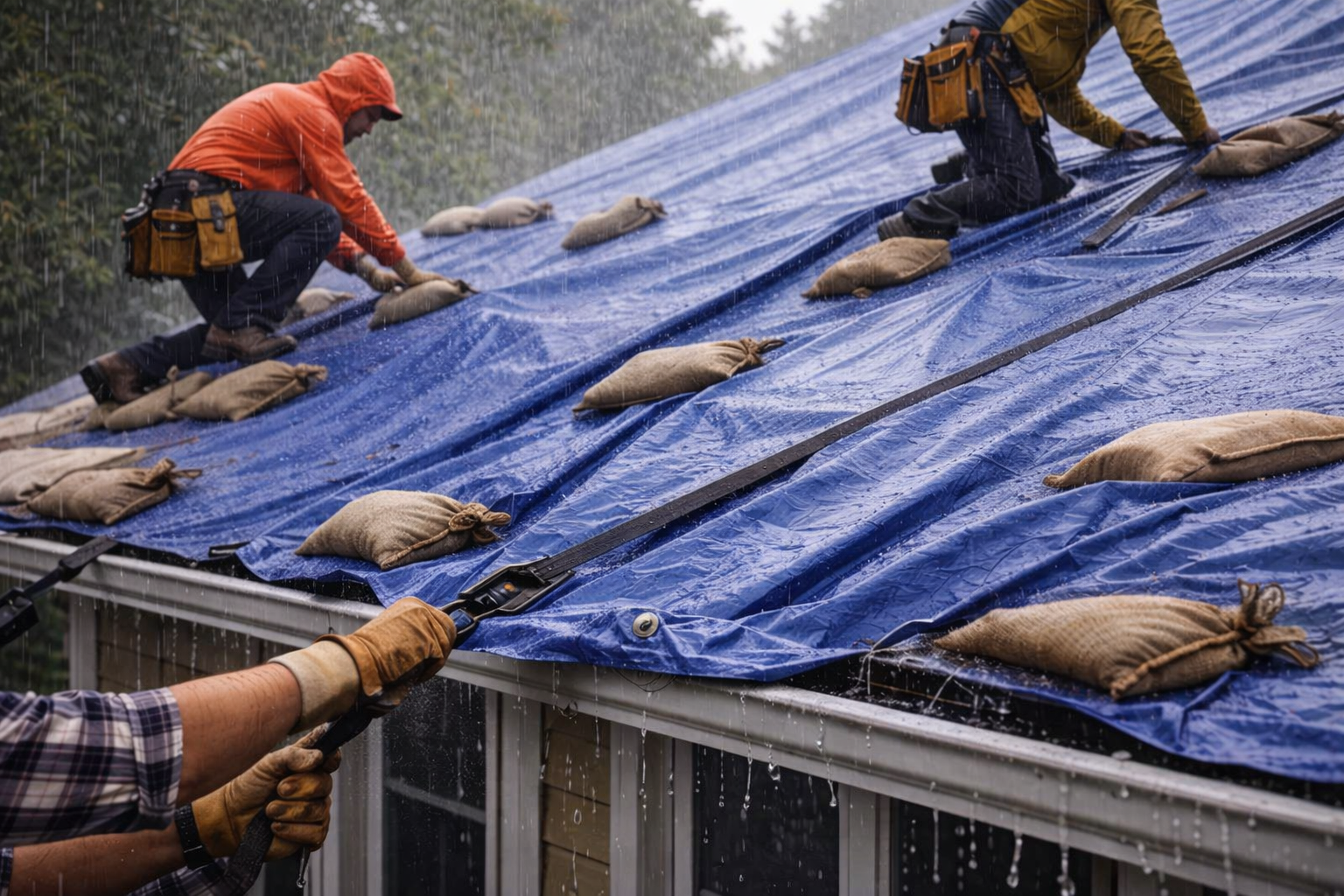
Professional roofers monitor weather closely and can protect exposed areas with tarps if unexpected rain occurs. Most roof replacements in the Dayton area are completed in 1-2 days, and contractors typically won’t start if heavy rain is forecasted. Reputable roofing companies like Rembrandt Roofing have extensive experience managing Southwest Ohio’s unpredictable weather patterns and use proven protocols to protect your home throughout the installation process.
Understanding the Roof Replacement Process and Weather Vulnerability
During a roof replacement, there’s a window of time when your home’s underlayment is exposed after the old shingles are removed but before the new roofing system is completely installed. This is the primary period of vulnerability if unexpected rain arrives.
However, modern roofing contractors follow a strategic installation sequence designed to minimize this exposure. Professional crews work systematically across the roof, typically completing sections rather than removing all the old material at once. This approach significantly reduces the amount of exposed area at any given time.
For most homes in Springboro, Centerville, and surrounding Warren and Montgomery County communities, the actual window of vulnerability is surprisingly short—often just a few hours per section. Experienced roofing teams can complete an average residential roof replacement in one to two days under normal conditions, meaning your home isn’t at extended risk.
What Your Roofing Contractor Does Before Work Begins
Reputable roofing companies take several proactive steps before starting your project:
Weather Monitoring: Professional contractors check extended forecasts before scheduling your installation. In Southwest Ohio, where afternoon thunderstorms can develop quickly during humid summers, this vigilance is especially important. Your contractor will typically avoid starting a project if significant rain is predicted within the installation window.
Preparation and Planning: Quality roofers arrive with tarps, covering materials, and contingency plans already in place. They’ll assess your specific roof design, identifying areas that might be more vulnerable to water intrusion and planning the tear-off sequence accordingly.
Interior Protection: Before work begins, contractors often inspect your attic space and may place protective coverings in areas directly below where work will occur, providing an additional safety layer.
If Rain Arrives Unexpectedly: Emergency Protocols
Despite careful planning, Southwest Ohio weather can be unpredictable. Springboro and Dayton-area residents know that conditions can change rapidly, especially during spring and early summer when severe weather and occasional tornado warnings occur.
Immediate Response Procedures
When rain threatens during active roofing work, professional crews immediately implement emergency protocols:
Rapid Tarping: Experienced roofers can quickly secure heavy-duty tarps over exposed sections. These aren’t lightweight plastic sheets—professional tarps are durable, waterproof materials that can withstand wind and rain. The crew will weight and secure these tarps to prevent any water intrusion.
Strategic Covering: Roofers focus first on the most vulnerable areas, particularly valleys, penetrations (like chimneys and vents), and any sections where underlayment has been disrupted.
Work Stoppage: Reputable contractors will halt work during active rain, both for safety and to prevent moisture from being trapped under new materials.
After the Rain: Assessment and Continuation
Once weather clears, your roofing team will:
- Remove tarps and inspect all exposed areas
- Check that no moisture has penetrated to the decking
- Ensure any wet surfaces are completely dry before continuing installation
- Verify that no materials were damaged during the weather event
This thorough assessment ensures the integrity of your new roof isn’t compromised.
The Role of Modern Roofing Materials in Weather Protection
Today’s roofing systems offer better weather resistance during installation than older materials:
Synthetic Underlayment: Most quality roof replacements in Kettering, Mason, and throughout Southwest Ohio now use synthetic underlayment rather than traditional felt paper. These modern materials are waterproof (not just water-resistant) and provide excellent protection even if briefly exposed to rain.
Ice and Water Shield: Premium installations include ice and water shield in vulnerable areas like eaves, valleys, and around penetrations. This self-sealing membrane creates a watertight barrier that offers substantial protection during the installation process.
For homeowners in older Dayton-area neighborhoods like Oakwood or historic sections of Centerville with slate or specialty roofing, contractors take additional precautions given the complexity and longer timelines these projects require.
Questions to Ask Your Roofing Contractor
Before your roof replacement begins, discuss weather contingencies with your contractor:
- What’s your protocol if rain is forecasted mid-project?
- Do you have adequate tarps and covering materials on-site?
- Will you monitor weather actively throughout the installation?
- What type of underlayment will you use?
- How quickly can your crew tarp the roof if needed?
- Is there any additional cost if weather delays extend the project timeline?
These conversations help set clear expectations and demonstrate the contractor’s preparedness.
Insurance Considerations for Weather-Related Concerns
If you’re completing a roof replacement due to storm damage—common throughout Beavercreek, Miamisburg, and surrounding areas following Southwest Ohio’s frequent hail storms and high-wind events—discuss weather contingencies with both your contractor and insurance adjuster. Document the condition of your roof and attic before work begins, which can be valuable if any weather-related complications arise during installation.
Minimizing Risk: Timing Your Roof Replacement
While emergencies sometimes necessitate immediate replacement regardless of season, homeowners with flexibility should consider timing:
Optimal Seasons: Late spring through early fall generally offers the most predictable weather windows in Southwest Ohio, though summer humidity and afternoon storms require careful daily planning.
Avoid High-Risk Periods: Late fall through winter brings freeze-thaw cycles that can complicate installation, while early spring often features extended rainy periods.
Why Experience Matters in Weather Management
A roofing company’s experience with local weather patterns makes a substantial difference. Contractors familiar with Southwest Ohio conditions understand how quickly afternoon storms can develop, recognize weather signs, and know exactly when to implement protective measures.
Rembrandt Roofing has completed thousands of installations throughout Warren County, Montgomery County, and Butler County, developing expertise in managing the region’s unique weather challenges. Our crews work efficiently to minimize exposure time while never compromising quality or your home’s protection.
Ready to Schedule Your Roof Replacement?
Don’t let weather concerns delay necessary roof repairs or replacement. With proper planning and an experienced contractor, your home remains protected throughout the installation process—even if Southwest Ohio’s unpredictable weather surprises us.
Contact Rembrandt Roofing today for a free inspection and estimate. We’ll assess your roof’s condition, discuss the installation timeline, and explain exactly how we’ll protect your Springboro, Centerville, or Dayton-area home throughout your roof replacement project. Call us or visit https://rembrandtroofing.com to schedule your consultation with Southwest Ohio’s trusted roofing professionals.