
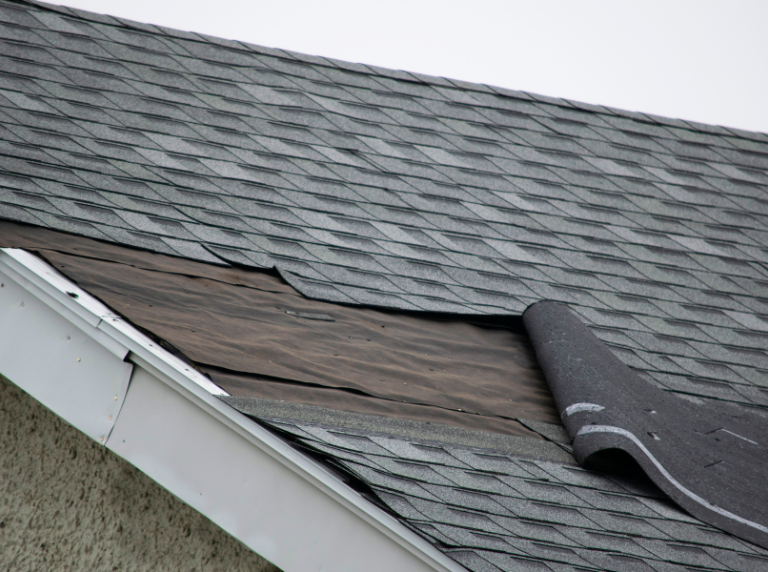
Sagging indicates structural issues like inadequate support, water-damaged decking, or excessive weight from multiple roof layers. This serious problem requires immediate professional evaluation, especially in older Southwest Ohio homes where hidden water damage may have compromised roof framing. Left unaddressed, a sagging roof can lead to complete structural failure, interior damage, and significantly reduced property value.
Understanding the Structural Causes of Roof Sagging
A sagging roof is never just a cosmetic issue—it’s a visible warning sign that something has compromised your home’s structural integrity. In the Springboro, Centerville, and Dayton areas, where homes range from 1950s-era ranch houses to newer subdivisions built in the 2000s, the causes of roof sagging can vary significantly based on construction methods and age.
The roof structure relies on a carefully engineered system of rafters or trusses, ridge beams, and support walls working together to distribute weight evenly. When any component of this system fails or becomes compromised, sagging becomes visible from both inside and outside your home.
Primary Causes of Roof Sagging
Water Damage and Rot
Water infiltration is the leading cause of roof sagging throughout Southwest Ohio. Our region’s humid summers combined with heavy spring rains create ideal conditions for moisture problems. When water penetrates through damaged shingles, worn flashing, or ice dams formed during our freeze-thaw cycles, it saturates the roof decking and underlying support structure.
Over time, this moisture causes wood rot that weakens rafters, trusses, and decking. In older Kettering and Oakwood homes with original roofing materials, decades of minor leaks can create extensive hidden damage that only becomes apparent when sagging occurs. Homes in Miamisburg and Beavercreek built in the 1970s are particularly susceptible, as original construction materials reach the end of their service life.
Inadequate or Damaged Structural Support
Undersized rafters or improperly spaced trusses create insufficient support for the roof load. This problem appears more frequently in older homes throughout Warren and Montgomery County where building codes were less stringent, or in properties where previous additions were constructed without proper engineering.
Additionally, support beams can crack, split, or shift over time. The occasional tornado events and high winds our region experiences can stress the roof structure, creating micro-damage that accumulates over years. A severe storm might not cause immediate visible damage but can weaken connections that eventually lead to sagging.
Excessive Weight on the Roof Structure
Multiple layers of shingles represent a common problem in Southwest Ohio homes. Many older properties in Mason, West Chester, and Lebanon have two or three layers of asphalt shingles installed over decades—a practice that was once common but is now recognized as problematic. Each layer adds hundreds of pounds of weight that the original structure wasn’t designed to support.
Snow accumulation, while less frequent in our region than further north, can still add significant temporary weight during winter storms. Combined with saturated insulation from roof leaks, this weight can overwhelm compromised structural members.
Poor Original Construction or Modifications
Some homes, particularly those built during rapid subdivision development in the 1990s and early 2000s, may have construction defects that don’t become apparent for years. Improperly installed trusses, missing structural connections, or substandard materials can all contribute to eventual sagging.
DIY modifications or unpermitted additions also create structural vulnerabilities. Removing a load-bearing wall, cutting into rafters for skylights without proper reinforcement, or adding heavy materials like slate tiles to a roof designed for lighter asphalt shingles can all lead to sagging over time.
Warning Signs to Watch For
Beyond visible sagging observable from ground level, interior signs include:
- Cracks in ceiling drywall, especially running along ceiling joists
- Doors and windows that stick or won’t close properly
- Gaps where walls meet the ceiling
- Visible bowing in ceiling lines
- Water stains on ceilings or in attic spaces
Homeowners in Centerville, Bellbrook, and surrounding Butler County communities should regularly inspect both interior and exterior conditions, particularly after severe weather events common to our area.
The Importance of Immediate Action
A sagging roof rarely improves on its own and typically worsens rapidly once structural failure begins. The problem compounds as weakened areas transfer additional stress to adjacent structural members. What begins as a minor sag can quickly progress to dangerous structural failure requiring emergency repairs.
For insurance purposes, documenting the timeline of sagging is crucial, especially if storm damage contributed to the problem. Many Southwest Ohio homeowners have successfully worked with insurance adjusters when hail storms or wind events initiated the structural damage, though policies vary significantly in coverage.
Professional Assessment and Solutions
Rembrandt Roofing provides comprehensive structural assessments throughout the Dayton metro area, identifying the root cause of sagging and developing appropriate repair strategies. Solutions range from reinforcing existing structures and replacing damaged decking to complete roof replacement with updated structural support.
Don’t wait until a sagging roof becomes a safety hazard or causes extensive interior damage. Contact Rembrandt Roofing at https://rembrandtroofing.com today to schedule a thorough inspection of your Southwest Ohio home and protect your most valuable investment.