
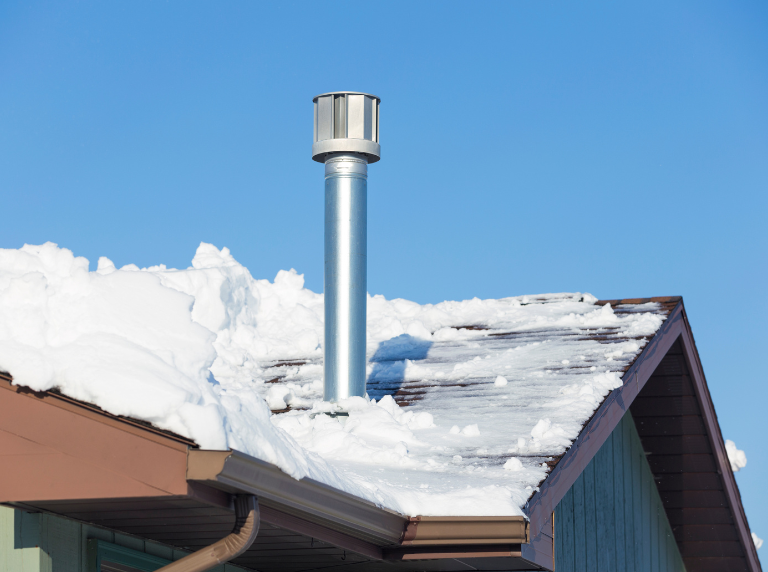
Only remove snow if accumulation exceeds 2 feet or you notice sagging, and hire professionals with proper equipment. Most residential roofs in the Dayton area are designed to handle typical Ohio snowfall, and improper removal can damage shingles or create dangerous conditions. The bigger concern in Southwest Ohio isn’t usually snow weight—it’s the freeze-thaw cycles that follow storms, which can create ice dams and hidden damage to your roofing system.
Understanding Snow Load Capacity on Southwest Ohio Roofs
Residential roofs throughout Warren, Montgomery, and Butler Counties are built to withstand significant snow loads based on Ohio building codes. The typical roof in our region can safely support 20-30 pounds per square foot, which translates to roughly 3-4 feet of fresh, fluffy snow or about 1-2 feet of heavy, wet snow.
Most winter storms in the Dayton, Springboro, and Centerville areas produce 4-12 inches of accumulation—well within safe limits for structurally sound roofs. The exceptions occur during rare severe winter events or when multiple storms deposit snow before earlier accumulation can melt.
Signs Your Roof May Be Overloaded
While most homes can handle typical snowfall, you should watch for these warning signs:
Visible sagging or bowing in the roofline, particularly around the center spans between support points
Interior warning signs including doors that suddenly stick, new cracks in drywall or ceiling plaster, unusual creaking sounds, or water stains appearing on ceilings
Window and door issues where frames become difficult to open or show visible distortion
Excessive icicles or ice dam formation along eaves, which adds significant additional weight
If you notice any of these signs in your Kettering, Miamisburg, or Beavercreek home, contact a roofing professional immediately before attempting any snow removal.
Why DIY Snow Removal Is Dangerous
The urge to grab a shovel and climb a ladder is understandable, but roof snow removal creates serious risks. Every winter, emergency rooms throughout the Dayton area treat homeowners who’ve fallen from ladders or roofs. Beyond personal injury, improper removal techniques damage roofing materials far more often than snow weight itself.
Damage Risks from Improper Removal
Shingle damage: Metal shovels and sharp tools easily tear architectural shingles, creating leak points that won’t become apparent until spring rains arrive. Given that most homes in Mason, West Chester, and Lebanon feature asphalt shingle roofs, this represents the most common form of snow removal damage we repair.
Flashing displacement: Aggressive scraping can dislodge flashing around chimneys, vents, and valleys—critical waterproofing components that protect vulnerable roof penetrations.
Gutter destruction: Many homeowners inadvertently damage gutters and downspouts during snow removal, creating drainage problems that lead to foundation issues and basement flooding during our region’s heavy spring rains.
Ice layer retention: Removing only the top snow layer often leaves a dense ice layer behind, which actually increases load and creates more problems than leaving everything in place.
The Real Winter Roofing Threat: Ice Dams
In Southwest Ohio, ice dams pose a greater threat than snow weight. Our characteristic freeze-thaw cycles—where temperatures hover around freezing for days—create perfect ice dam conditions. Heat escaping through inadequate attic insulation melts snow on upper roof sections. This water runs down to the colder eaves, refreezes, and creates ice barriers that force water under shingles.
Preventing Ice Dam Damage
Improve attic insulation and ventilation: This addresses the root cause by keeping your roof cold and preventing the melt-refreeze cycle. Homes throughout Oakwood, Bellbrook, and older Dayton neighborhoods often have inadequate attic insulation by modern standards.
Keep gutters clean: Regular fall maintenance ensures proper drainage when melting occurs.
Consider heated cables: For problem areas, electric heat cables along eaves can prevent ice dam formation during extended cold snaps.
When Professional Snow Removal Makes Sense
Contact Rembrandt Roofing if you experience:
- Accumulation exceeding 24 inches, especially heavy, wet snow
- Multiple storms without intervening melting periods
- Visible structural concerns or sagging
- Flat or low-slope roofs, which don’t shed snow naturally
- Older homes (1950s-1970s construction common in established Centerville and Springboro neighborhoods) where structural capacity may be limited
Professional removal crews use proper equipment—roof rakes, steam systems, and safety gear—to remove snow without damaging your roofing system. We also identify underlying issues like inadequate ventilation or structural concerns that contributed to the problem.
Post-Storm Roof Inspection
After significant winter weather events, schedule a professional inspection before spring arrives. Southwest Ohio’s volatile spring weather—with heavy rains, occasional hail, and high winds—will exploit any winter damage. Small issues discovered in February are far less expensive to repair than emergency leaks discovered during April thunderstorms.
Insurance claims for storm damage are common throughout Warren, Montgomery, and Butler Counties. If inspection reveals damage, we’ll document everything needed for your claim and work directly with your adjuster to ensure proper repairs.
Protect Your Investment Year-Round
Your roof represents one of your home’s most significant investments. Rather than reacting to individual snow events, focus on preventive maintenance: annual inspections, proper attic ventilation, adequate insulation, and prompt repairs of minor damage before it becomes major.
Ready to ensure your roof is prepared for whatever Southwest Ohio winter weather brings? Contact Rembrandt Roofing at https://rembrandtroofing.com for a professional inspection. Serving Springboro, Centerville, Dayton, and all surrounding communities with expert roofing services, we’ll assess your roof’s condition, identify potential vulnerabilities, and provide honest recommendations to protect your home through winter storms and beyond. Don’t wait for warning signs—schedule your inspection today.