
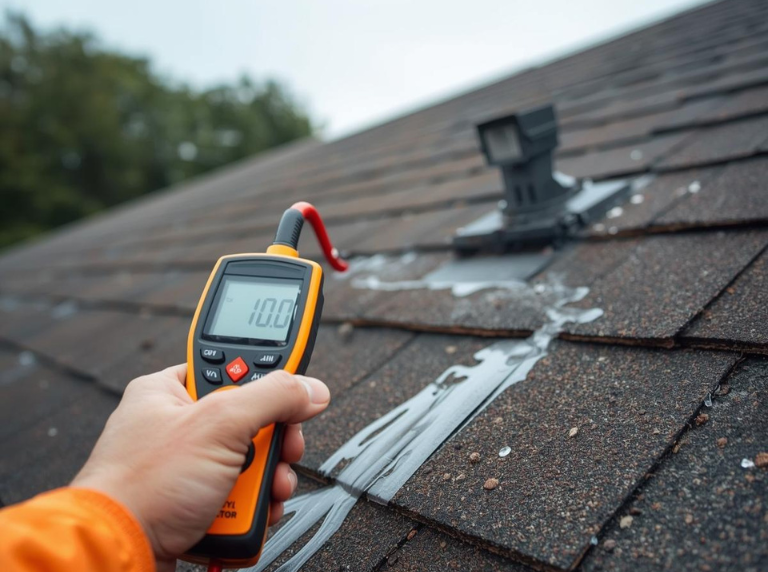
High humidity promotes algae and moss growth, accelerates wood rot in decking and framing, and can reduce shingle lifespan. Southwest Ohio’s humid summers make proper attic ventilation and moisture control essential for preventing premature roof deterioration. Understanding how moisture impacts your roofing system can help you take proactive steps to protect one of your home’s most significant investments.
The Science Behind Humidity and Roof Damage
Humidity affects your roof both from above and below. When warm, moisture-laden air contacts cooler roof surfaces, condensation forms. This constant cycle of moisture exposure creates an ideal environment for several types of roof damage. In Southwest Ohio, where summer humidity regularly exceeds 70% and we experience significant temperature swings between day and night, these conditions become particularly problematic for roofing systems throughout Springboro, Centerville, Dayton, and surrounding communities.
The combination of humid air and inadequate ventilation traps moisture in your attic space, where it can linger for extended periods. This moisture doesn’t just evaporate harmlessly—it penetrates wood decking, compromises insulation effectiveness, and creates conditions where biological growth thrives.
Primary Humidity-Related Roof Problems
Algae and Moss Growth
Those dark streaks you see on roofs throughout Warren, Montgomery, and Butler County aren’t just cosmetic issues. Gloeocapsa magma, a type of algae that feeds on the limestone filler in asphalt shingles, appears as black stains on roof surfaces. While algae doesn’t immediately damage shingles, it retains moisture against the roof surface, accelerating deterioration.
Moss poses a more serious threat. It grows in shaded, damp areas and its root systems can lift shingle edges, allowing water infiltration. Once established, moss acts like a sponge, keeping shingles perpetually damp and shortening their lifespan by years. This is especially common on north-facing roof sections and areas shaded by trees in neighborhoods throughout Miamisburg, Kettering, and Beavercreek.
Wood Rot and Structural Damage
Prolonged humidity exposure causes wood decking and framing members to rot. What starts as surface-level moisture absorption eventually leads to structural weakness. In older homes throughout the Dayton metro—particularly those built in the 1950s through 1970s—inadequate attic ventilation compounds this problem. Many of these homes weren’t built with the ventilation standards we use today, making them especially vulnerable to humidity damage.
Wood rot often goes undetected until a roof replacement project reveals the extent of damage. Homeowners in Mason, West Chester, and Lebanon frequently discover that what they thought was a simple shingle replacement requires extensive decking repairs due to long-term moisture exposure.
Reduced Shingle Lifespan
Humidity accelerates the breakdown of asphalt shingles through a process called thermal shock. When humid conditions alternate with direct sun exposure, shingles expand and contract repeatedly. This cycle causes granule loss, cracking, and curling—all signs of premature aging. Architectural shingles rated for 25-30 years may fail in 15-20 years under persistently humid conditions without proper ventilation.
Ice Dam Formation in Winter
Southwest Ohio’s freeze-thaw cycles create another humidity-related challenge. Poor attic ventilation allows warm, humid air to heat the roof deck unevenly. Snow melts, runs down to colder eaves, and refreezes as ice dams. These dams trap water that backs up under shingles, causing leaks and water damage. This cycle is particularly problematic in Oakwood, Bellbrook, and established Centerville neighborhoods with mature tree coverage.
Protecting Your Roof from Humidity Damage
Ensure Proper Attic Ventilation
The foundation of humidity control is balanced attic ventilation. Your roof should have adequate intake vents (soffit vents) and exhaust vents (ridge vents, box vents, or turbines). The general rule is one square foot of ventilation for every 150 square feet of attic space. Proper airflow prevents moisture buildup and regulates temperature.
Install Algae-Resistant Shingles
When replacing your roof, consider architectural shingles with copper or zinc granules that inhibit algae growth. Many manufacturers now offer algae-resistant products specifically designed for humid climates. While these cost slightly more upfront, they maintain curb appeal and extend roof life.
Maintain Trees and Clean Gutters
Trim tree branches at least six feet from your roof to increase sunlight exposure and improve air circulation. Clean gutters regularly to ensure proper water drainage. Standing water in gutters increases ambient humidity around roof edges and fascia boards.
Schedule Regular Roof Inspections
Professional inspections can identify humidity-related problems before they become major issues. Look for early warning signs like discoloration, granule loss in gutters, or soft spots in the roof deck. Catching these problems early can save thousands in repair costs.
When to Call a Professional
If you notice dark streaking, moss growth, or signs of water infiltration in your attic, contact a qualified roofing contractor. Many humidity-related issues that seem minor can indicate more serious underlying problems. Additionally, if you’re filing an insurance claim for storm damage in Springboro, Dayton, or surrounding areas, ensure your adjuster evaluates potential humidity damage that may have compromised your roof’s integrity before the storm event.
Protect Your Southwest Ohio Home
Humidity is an unavoidable reality in Southwest Ohio, but its effects on your roof don’t have to be. With proper ventilation, regular maintenance, and quality materials, you can protect your roofing investment for decades to come.
Ready to assess your roof’s vulnerability to humidity damage? Rembrandt Roofing provides comprehensive roof inspections and expert solutions throughout Springboro, Centerville, Dayton, and all surrounding Southwest Ohio communities. Contact us today at https://rembrandtroofing.com to schedule your free inspection and ensure your roof is properly protected against our region’s humid climate.