
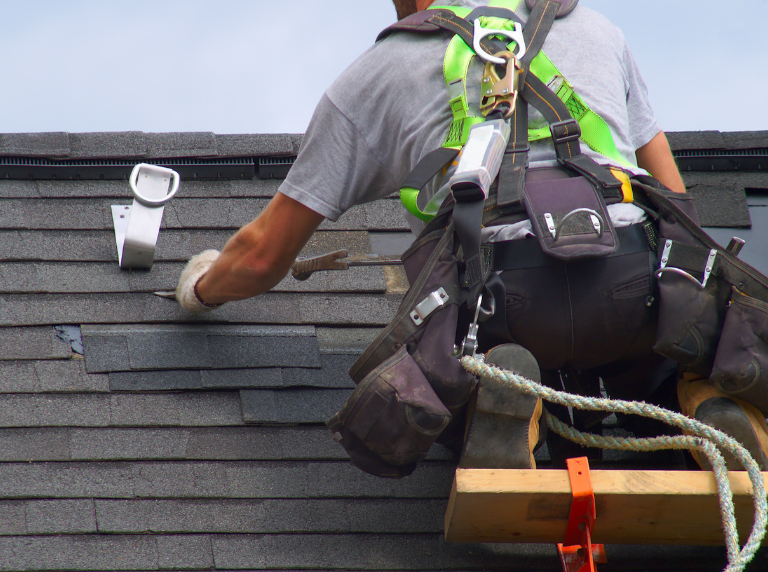
The Short Answer: Professional roofing contractors provide emergency contact information including after-hours phone numbers, response protocols, and expected timelines. True emergencies (active leaks, storm damage, structural concerns) warrant immediate response within 2-4 hours for temporary repairs. However, most “emergencies” can wait until morning. Any contractor without clear emergency protocols or who’s unreachable after hours leaves you vulnerable when problems arise.
What Actually Qualifies as a Roofing Emergency
True Emergencies (Call Immediately):
- Active water intrusion during rainfall
- Storm damage with exposed interior (missing shingles, holes)
- Structural sagging or collapse risk
- Tree or debris penetration through roof
- Fire damage requiring immediate tarping
- Wind damage exposing home to elements
Urgent But Can Wait Until Morning:
- Single missing shingle discovered in evening
- Small leak contained with bucket
- Flashing separation noticed but not actively leaking
- Minor storm damage with no interior exposure
- Granule loss or wear concerns
Non-Emergencies (Schedule Regular Appointment):
- Gradual aging signs (curling, cracking)
- Aesthetic concerns or discoloration
- Routine maintenance requests
- Estimate requests for future work
- General questions about roof condition
Red Flag: Contractors who treat every service call as an “emergency” to justify premium pricing or pressure immediate decisions.
Standard Emergency Contact Protocols
What Professional Contractors Provide:
Primary Emergency Contact:
- Direct cell phone number (owner or senior manager)
- 24/7 answering service for after-hours calls
- Emergency-only email monitored regularly
- Clear voicemail with emergency callback promise
Response Time Expectations:
- True emergencies: 2-4 hours for temporary repairs
- Urgent issues: Next business day (8-12 hours)
- Non-emergencies: 24-48 hours for scheduling
- Storm response: May be delayed by high volume but communication provided
Emergency Service Coverage:
- Temporary tarping to stop active leaks
- Emergency board-up for structural exposure
- Debris removal creating immediate hazard
- Assessment and documentation for insurance
- Permanent repairs scheduled during business hours
What Should Be in Your Contract: “Contractor provides 24/7 emergency contact via [phone number]. Response time for active leaks or structural emergencies within 4 hours. Temporary emergency repairs billed at standard rates plus $[X] emergency service fee. Permanent repairs scheduled during normal business hours.”
After-Hours Response Reality Check
Reasonable Emergency Service:
- Phone answered or returned within 1-2 hours
- Arrival for temporary repairs within 2-4 hours
- Temporary solutions stabilize situation until permanent fix
- Emergency service fee ($150-300) clearly disclosed
- Follow-up scheduled for permanent repair
Unrealistic Expectations:
- Instant arrival for non-emergency issues
- Complete roof replacement started at midnight
- Free emergency service calls
- Jumping ahead of scheduled customers without true emergency
- Working in unsafe weather conditions for convenience
Real Example: Dayton homeowner discovered active leak at 9 PM during rainstorm. Called Rembrandt Roofing emergency line, spoke with on-call manager within 30 minutes. Crew arrived at 11 PM, tarped affected area, stopped water intrusion. Permanent repair scheduled for two days later when weather cleared. Emergency service fee: $200 (applied toward permanent repair).
Red Flags in Emergency Response
✗ Poor Emergency Protocol Warning Signs:
- No emergency contact info provided
- Goes straight to voicemail with no callback
- Different number for each crew member (no central system)
- “Call my cell but I might not answer” approach
- Emergency number disconnected or wrong number
- Voicemail box perpetually full
- No emergency services offered at all
- “We don’t work nights or weekends under any circumstance”
✗ Emergency Service Scams:
- Charges 3-5x normal rates for after-hours
- Requires large upfront payment before responding
- Shows up and diagnoses unnecessary extensive work
- Demands immediate decision on expensive repairs
- Uses emergency as high-pressure sales opportunity
- “Storm chasers” soliciting after known weather events
Temporary Measures You Can Take While Waiting
If You Have Active Leak:
- Place buckets or containers to catch water
- Move furniture and valuables away from leak
- Use towels to absorb water and prevent spreading
- Document with photos for insurance
- Check attic for source if accessible safely
If You Have Storm Damage:
- Stay out of damaged areas for safety
- Do not attempt roof access in unsafe conditions
- Cover broken windows from inside with plastic
- Document all damage with photos/video
- Move belongings away from exposed areas
If You Have Structural Concerns:
- Evacuate area immediately if collapse risk
- Do not attempt repairs yourself
- Call 911 if immediate danger to occupants
- Contact structural engineer if major concerns
- Document but don’t touch compromised areas
What NOT to Do:
- Climb on wet or damaged roof yourself
- Attempt repairs during storms or darkness
- Cover leaks with materials that trap moisture
- Ignore structural warning signs
- Wait days to address active water intrusion
Questions That Reveal Emergency Preparedness
“What’s your emergency contact protocol, and how quickly can someone respond?”
- Should provide specific number and timeframe
- Explain after-hours answering system
- Discuss response priorities and realistic timelines
“What constitutes an emergency vs. urgent vs. routine issue in your view?”
- Shows they differentiate appropriately
- Prevents unnecessary emergency charges
- Demonstrates experience and judgment
“What temporary measures can you provide, and what are emergency service fees?”
- Transparency about emergency pricing
- Clear explanation of temporary vs. permanent solutions
- No surprise charges or hidden fees
“Do you have crews available for weekend or holiday emergencies?”
- Established companies have on-call rotation
- Should explain coverage approach
- Realistic about response during peak storm seasons
“Can you provide references from customers who’ve used your emergency services?”
- Demonstrates actual emergency response capability
- Shows follow-through beyond temporary fixes
- Reveals communication and professionalism under pressure
Alternative Emergency Resources
When Your Contractor Is Unavailable:
Emergency Tarping Services:
- Many Dayton-area companies specialize in emergency tarping
- Faster response than full roofing contractors
- Temporary solution until permanent repair
- Typically $300-800 depending on size
Insurance Company Resources:
- Many insurers have emergency contractor networks
- Available 24/7 for active claims
- May offer immediate temporary repairs
- Check policy for emergency services coverage
Fire Department (For Serious Structural Concerns):
- Can evaluate immediate safety risks
- Will refer to appropriate services
- Document conditions for insurance
- Only for genuine safety emergencies
Public Adjusters:
- Can help document emergency damage
- Advocate for proper insurance coverage
- Coordinate emergency repairs if needed
- Especially helpful for major storm events
Bottom Line: Emergency Access Equals Peace of Mind
Quality Contractor Emergency Standards:
✓ 24/7 contact number provided in writing
✓ Response within 2-4 hours for true emergencies
✓ Transparent emergency service fees
✓ Temporary solutions available immediately
✓ Permanent repairs scheduled promptly
✓ Clear communication throughout process
Unacceptable Practices:
✗ No emergency contact information
✗ Unreachable after business hours
✗ Excessive emergency premiums (4-5x rates)
✗ Using emergencies for high-pressure sales
✗ Slow response without communication
✗ No temporary repair capabilities
Next Steps: Establish Emergency Protocol Now
Before you ever need emergency service:
- Save emergency contact in phone immediately upon hiring
- Test contact number to ensure it works
- Understand what qualifies as emergency vs. routine
- Know emergency service fees upfront
- Have backup plan (tarping service, insurance hotline)
Questions for your Dayton roofing contractor:
- “Can I call this emergency number right now to verify it works?”
- “What’s the latest emergency call you’ve responded to?”
- “How do you prioritize multiple emergency calls during major storms?”
- “Will emergency fees be applied toward permanent repair costs?”
Remember: Established Dayton contractors like Rembrandt Roofing with 20+ years serving the community have refined emergency protocols and on-call systems. They understand that roofing emergencies don’t follow business hours—and neither should their availability. A contractor without solid emergency response is gambling with your home’s protection.