
Poor attic ventilation traps heat, which can reach 150°F during humid Dayton summers, damaging shingles from below and increasing cooling costs by up to 40%. Proper ridge and soffit ventilation creates airflow that exhausts hot air and extends roof life. Inadequate insulation, blocked vents, and dark-colored roofing materials exacerbate the problem, making your HVAC system work overtime throughout Southwest Ohio’s long summer season.
Understanding Attic Heat Buildup in Southwest Ohio
Your attic functions as a buffer zone between your living space and the outdoor elements. During summer months in Springboro, Centerville, and throughout the Dayton metro, solar radiation heats your roof surface to temperatures exceeding 160°F. Without proper ventilation, this heat radiates downward into your attic space, creating an oven-like environment that affects your entire home’s comfort and your roof’s longevity.
The combination of Ohio’s humid summers and intense sun exposure makes attic ventilation particularly critical in Warren, Montgomery, and Butler County homes. High attic temperatures don’t just make your upper floors uncomfortable—they actively damage your roofing materials, warp wood framing, and create conditions for mold growth.
The Main Culprits Behind Excessive Attic Heat
Insufficient or Blocked Ventilation
The most common cause of overheated attics is inadequate ventilation. Your attic needs both intake vents (typically soffit vents along the eaves) and exhaust vents (ridge vents, gable vents, or roof vents at the peak) to create proper airflow. Many homes in older Kettering and Oakwood neighborhoods were built before modern ventilation standards, while newer construction in Mason and West Chester sometimes has vents blocked by insulation or construction debris.
When intake and exhaust aren’t balanced, hot air becomes trapped. The ideal ratio is 1 square foot of ventilation for every 150 square feet of attic space, with equal distribution between intake and exhaust points.
Inadequate or Improperly Installed Insulation
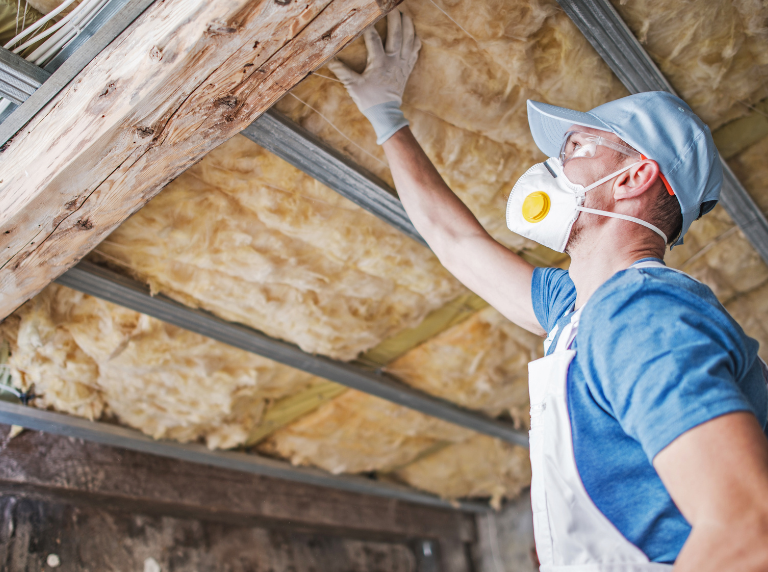
Insulation serves as a thermal barrier between your conditioned living space and the attic. However, insulation that’s compressed, water-damaged from roof leaks, or insufficient for our climate zone (R-38 to R-60 is recommended for Southwest Ohio) allows heat transfer in both directions. This means your air conditioning works harder while your attic simultaneously bakes from above.
Many homes built in the 1950s through 1970s throughout Miamisburg and Beavercreek have original insulation that’s settled or degraded over decades, significantly reducing its effectiveness.
Dark Roofing Materials and Color Choices
Asphalt and architectural shingles in darker colors absorb significantly more heat than lighter alternatives. While aesthetic preferences matter, a dark charcoal or black roof can be 20-30°F hotter than a lighter gray or tan option during peak summer days. This is particularly relevant when replacing roofs damaged by the hail storms and high winds common to our area.
The Hidden Costs of an Overheated Attic
Reduced Roof Lifespan
Excessive attic heat accelerates shingle aging from the underside. When temperatures consistently exceed 120°F, asphalt shingles become brittle, adhesives break down prematurely, and your roof that should last 20-25 years may need replacement after just 15 years. For homeowners in Lebanon and Bellbrook, this can mean thousands in unexpected costs.
Increased Energy Bills
Your air conditioning system battles against heat radiating from your attic throughout summer. The U.S. Department of Energy estimates that poor attic ventilation can increase cooling costs by 10-40%, adding $30-120 monthly to utility bills for typical Southwest Ohio homes.
Structural and Indoor Air Quality Issues
Extreme heat warps roof decking and framing lumber. Combined with humidity, these conditions promote mold and mildew growth that compromises indoor air quality and can lead to expensive remediation projects.
Solutions for a Cooler, Healthier Attic
Improve Ventilation Systems
Installing or upgrading ridge vents combined with adequate soffit ventilation creates continuous airflow. Ridge vents run along the roof peak, allowing hot air to escape while soffit vents draw cooler air from below. Powered attic fans can supplement natural ventilation in particularly problematic situations.
Upgrade Attic Insulation
Adding blown-in cellulose or fiberglass insulation to meet current R-value recommendations creates an effective thermal barrier. Ensure insulation doesn’t block soffit vents—use baffles to maintain airflow channels while maximizing insulation coverage.
Consider Radiant Barriers
Radiant barrier sheathing or foil installed on the underside of your roof decking reflects heat before it enters the attic space, potentially reducing attic temperatures by 20-30°F during peak summer conditions.
Evaluate Roofing Material and Color
When filing insurance claims after storm damage or planning replacement for aging roofs, consider lighter-colored architectural shingles or explore metal roofing options that reflect more solar radiation.
Schedule Your Attic Ventilation Assessment Today
Addressing attic heat issues protects your investment and improves home comfort throughout Southwest Ohio’s demanding climate. Rembrandt Roofing provides comprehensive attic ventilation assessments and solutions for homeowners throughout Springboro, Centerville, Dayton, and surrounding communities.
Our experienced team understands the unique challenges facing homes in Warren, Montgomery, and Butler Counties. We’ll evaluate your current ventilation, insulation, and roofing condition to recommend cost-effective solutions that extend your roof’s lifespan and reduce energy costs.
Contact Rembrandt Roofing at https://rembrandtroofing.com or call today to schedule your free attic ventilation inspection and discover how proper ventilation can transform your home’s comfort and efficiency.