
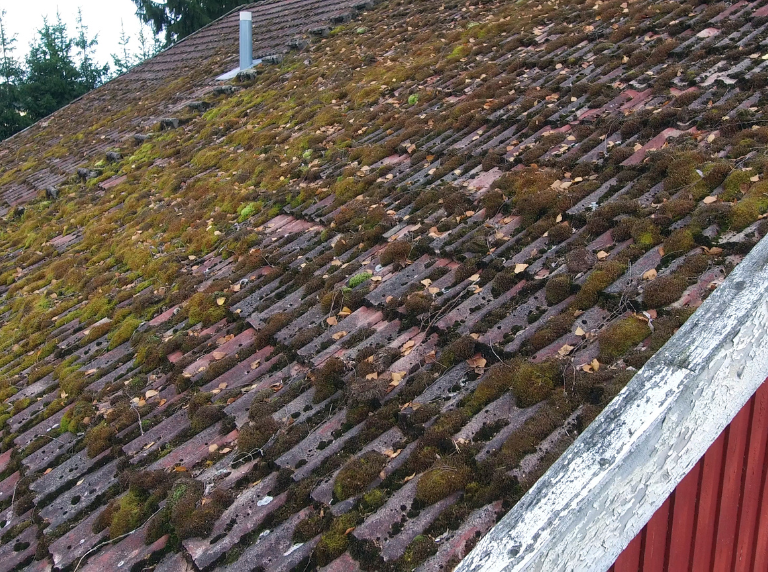
Moss retains moisture against shingles and can lift them as it grows, creating entry points for water that lead to leaks and structural damage. Southwest Ohio’s humid climate and tree-shaded homes in established neighborhoods like Centerville and Springboro are particularly susceptible to moss growth that should be professionally removed. The problem becomes especially serious when moss growth goes unaddressed for multiple seasons, potentially shortening your roof’s lifespan by several years.
Why Moss Growth Is a Serious Roofing Problem
Moss isn’t just an aesthetic issue—it’s a direct threat to your roof’s integrity. Unlike algae, which simply stains your shingles, moss has root-like structures called rhizoids that work their way under and between shingles. As moss colonies expand, they physically lift shingles, breaking the seal that protects your roof from water infiltration.
The moisture retention is equally problematic. Moss acts like a sponge, keeping your shingles damp long after rainfall ends. In Southwest Ohio, where we experience humid summers and freeze-thaw cycles throughout winter, this constant moisture exposure accelerates shingle deterioration. The freeze-thaw action is particularly damaging in areas like Kettering and Beavercreek, where water trapped by moss freezes, expands, and creates cracks in roofing materials.
Why Southwest Ohio Homes Are Vulnerable
Our regional climate creates ideal conditions for moss proliferation. The combination of humid summers, moderate temperatures, and substantial tree coverage in established neighborhoods provides exactly what moss needs to thrive. Homes in heavily wooded areas of Oakwood, Centerville, and Bellbrook face particularly high risk.
Older homes built in the 1950s through 1970s throughout the Dayton metro area often have mature trees that shade large portions of their roofs. While this shade reduces cooling costs in summer, it also keeps roof surfaces damp and limits the sunlight that would naturally inhibit moss growth. Even newer subdivisions in Mason and West Chester can develop moss problems if homes are positioned under tree canopies.
North-facing roof sections receive less direct sunlight and stay damp longer, making them the most common starting point for moss colonies. If you’ve noticed green patches primarily on your roof’s north side, that’s moss establishing itself.
The Long-Term Damage Moss Causes
Beyond the immediate concern of lifted shingles, moss growth leads to cascading problems:
Premature Shingle Failure: Architectural shingles designed to last 25-30 years may fail in 15-20 years when moss is present. The constant moisture exposure and physical displacement compromise the shingle’s protective granules and underlying mat.
Wood Decking Rot: When moss allows water penetration beneath shingles, the wooden roof decking becomes vulnerable to rot. This structural damage is costly to repair and may not be immediately visible from inside your home until significant deterioration has occurred.
Increased Storm Damage: Homes in Miamisburg, Lebanon, and throughout Warren and Montgomery Counties experience periodic severe weather, including high winds and hail. Shingles already compromised by moss growth are far more susceptible to wind uplift and impact damage during these events.
Reduced Energy Efficiency: Moisture-saturated roofing materials provide less insulation value, potentially increasing your heating and cooling costs.
Safe Moss Removal and Prevention
While homeowners might be tempted to address moss themselves, improper removal causes more harm than good. Pressure washing can strip protective granules from shingles, and aggressive scraping can break the shingle seal. Professional roofing contractors have specialized treatments and techniques that eliminate moss without damaging your roof.
Prevention Strategies
Once moss is removed, preventing its return is crucial:
Trim Overhanging Branches: Increasing sunlight exposure and reducing debris accumulation discourages moss growth. This is especially important for homes in Butler County’s tree-lined neighborhoods.
Install Zinc or Copper Strips: These metal strips installed at the roof peak release ions during rainfall that inhibit moss and algae growth as water runs down the roof surface.
Regular Roof Maintenance: Annual inspections catch moss growth early, before colonies become established and cause damage.
Improve Roof Ventilation: Proper attic ventilation helps roofs dry more quickly after precipitation, creating less favorable conditions for moss.
When to Call a Professional
If you notice green patches on your roof, don’t wait. Early intervention is significantly less expensive than addressing the water damage that follows prolonged moss growth. This is particularly important if you’re planning to file an insurance claim for storm damage in Springboro, Centerville, or surrounding areas—insurance adjusters will note pre-existing moss damage, which may affect your claim.
Protect Your Investment with Professional Roof Care
Your roof represents a major investment in your home. Whether you own a historic property in downtown Dayton or a newer home in West Chester, protecting it from moss damage preserves its value and functionality. Rembrandt Roofing has helped countless homeowners throughout Southwest Ohio address moss problems before they lead to costly repairs.
Don’t let moss compromise your roof’s integrity. Contact Rembrandt Roofing today at https://rembrandtroofing.com for a comprehensive roof inspection. Our experienced team serves Springboro, Centerville, Dayton, and all surrounding Warren, Montgomery, and Butler County communities with expert moss removal and prevention services.