
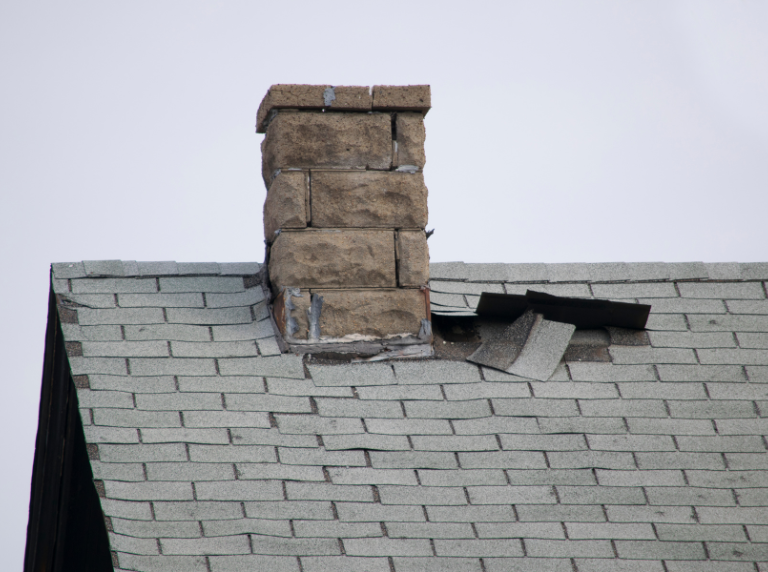
Yes, high winds from severe thunderstorms common in Southwest Ohio can break the seal on shingles, lift edges, and cause creasing without leaving obvious debris. Wind damage may not be immediately visible but compromises your roof’s integrity and should be inspected after storms with winds exceeding 50 mph. Many homeowners throughout Springboro, Centerville, and surrounding communities discover wind damage only after leaks develop, making post-storm inspections essential for protecting your investment.
How Wind Damages Roofs Without Visible Debris
High winds don’t need to tear shingles completely off your roof to cause significant damage. In fact, some of the most problematic wind damage occurs beneath the surface where homeowners can’t easily see it. When winds exceed 50-60 mph—common during severe thunderstorms that regularly sweep through Warren, Montgomery, and Butler Counties—the uplift force can break the adhesive seal between shingle layers, lift shingle edges, and create stress points that compromise your roof’s water-shedding capability.
Asphalt and architectural shingles, which make up the majority of roofs throughout the Dayton metro area, are particularly vulnerable to this type of hidden wind damage. The granule-covered surface may look intact from the ground, but the underlying structure could be compromised. This is especially concerning for homes built during the 1990s-2000s construction boom in areas like Mason, West Chester, and Miamisburg, where many roofs are now reaching the age where wind resistance naturally decreases.
Types of Invisible Wind Damage
Seal Breakage
Asphalt shingles rely on an adhesive strip that bonds each shingle to the one below it. High winds can break these seals without actually lifting the shingle off the roof. Once the seal is broken, that shingle becomes vulnerable to future wind events and water infiltration. In Southwest Ohio’s humid summers, moisture can quickly work its way under these compromised shingles, leading to rot and deterioration.
Shingle Creasing and Mat Damage
Strong winds can cause shingles to flex and crease, damaging the fiberglass mat inside without tearing the shingle completely. These creases create weak points where water can penetrate and where future wind damage is more likely to occur. This type of damage is particularly common on the windward slopes of roofs and near edges, corners, and ridges.
Lifted Edges and Corners
Wind doesn’t flow smoothly over your roof—it creates uplift pressure, especially at edges, eaves, and roof peaks. This pressure can lift shingle edges and corners slightly without tearing them off entirely. Once lifted, these areas allow wind-driven rain to penetrate beneath the shingles during subsequent storms, a serious concern given the frequency of severe weather in our region.
Fastener Backing Out
High winds can cause roofing nails to work loose or back out slightly, reducing their holding power. The shingles may still appear secure, but their resistance to future wind events is significantly compromised. This is particularly problematic on older homes throughout Kettering, Oakwood, and Beavercreek where roofing systems may already be 15-20 years old.
Why Southwest Ohio Homeowners Should Be Especially Vigilant
Our region experiences a unique combination of weather challenges that make wind damage particularly concerning. Spring and summer severe thunderstorm seasons bring frequent high-wind events, sometimes with tornadic activity. The National Weather Service regularly issues severe thunderstorm warnings for the Dayton area with wind gusts exceeding 60 mph.
Additionally, our freeze-thaw cycles during winter months can exacerbate existing wind damage. Water that infiltrates through compromised seals or lifted edges can freeze, expand, and cause further deterioration. By the time visible signs appear—missing shingles, water stains, or leaks—the underlying damage may be extensive and costly to repair.
Signs Your Roof May Have Hidden Wind Damage
Even without obvious debris or missing shingles, watch for these indicators:
- Shingles that appear slightly lifted, curled, or bent at the edges
- Granules accumulating in gutters after wind events (indicates surface damage)
- Light visible through attic boards during daytime (suggests displaced shingles)
- Water stains on ceilings or in attic spaces following storms
- Increased energy bills (compromised roof integrity affects insulation)
What to Do After High-Wind Events
After any storm with winds exceeding 50 mph in the Springboro, Centerville, Lebanon, or Bellbrook areas, schedule a professional roof inspection. Don’t wait for visible damage to appear. Insurance companies in Southwest Ohio are familiar with wind damage claims, but documentation is essential—waiting too long may complicate your claim.
A thorough inspection should include examination of shingle seals, fasteners, flashing, and vulnerable areas like roof valleys and penetrations. Professional roofers can identify compromised areas before they lead to leaks and interior damage.
Call Rembrandt Roofing for Your Post-Storm Inspection
Don’t let invisible wind damage compromise your home’s protection. Rembrandt Roofing provides comprehensive storm damage inspections throughout Southwest Ohio, helping homeowners in Warren, Montgomery, and Butler Counties protect their investments and navigate insurance claims when necessary.
Contact us today at https://rembrandtroofing.com to schedule your professional roof inspection. Our experienced team understands the unique challenges Southwest Ohio weather presents and can identify hidden damage before it becomes a costly emergency. Protect your home—schedule your inspection now.